



The Best Time to Travel
- 15/09
- Nuly
- 02 Bình Luận
Vietnam is a beautiful country and is considered a year-round tourist destination that visitors from around the world can visit. However, the best time to travel depends on the area you want to visit. Vietnam has a tropical monsoon climate, and sometimes the monsoon rains can become too heavy to move around. Therefore, if you plan to hike and participate in outdoor activities, you need to learn about the weather differences in the area.

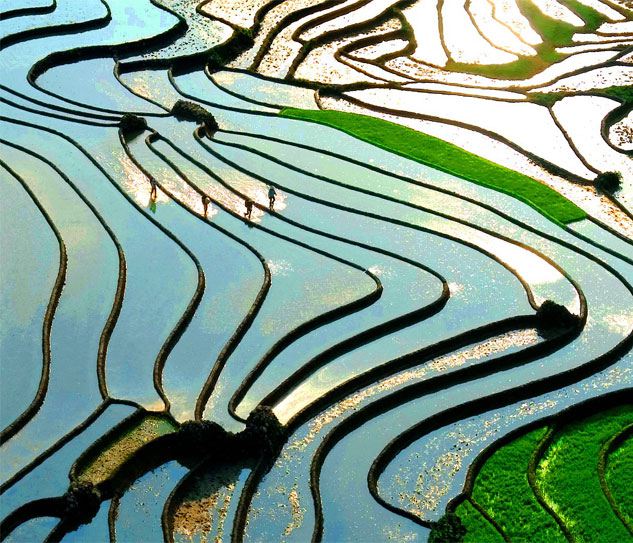
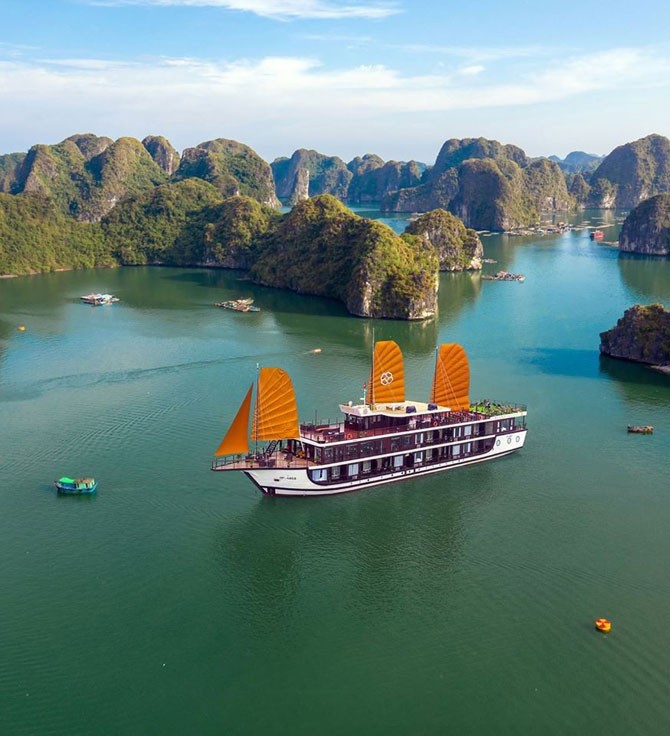
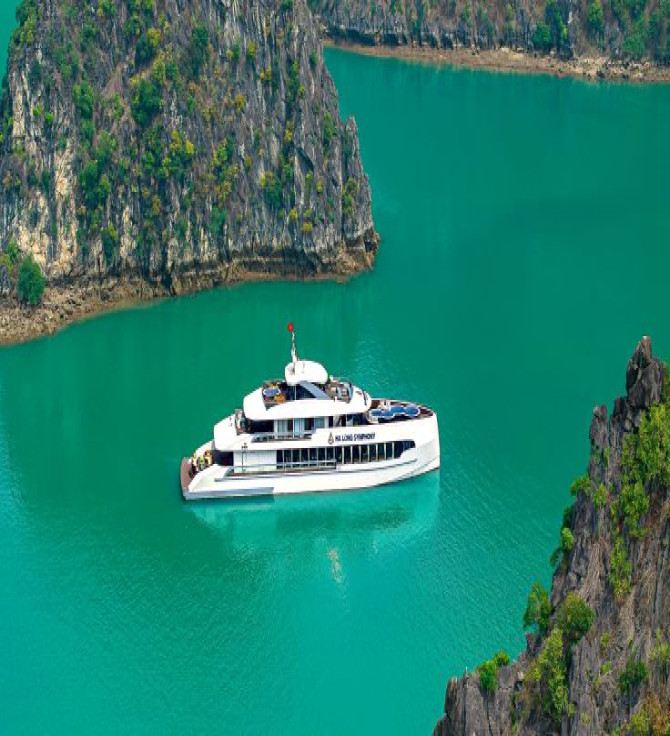
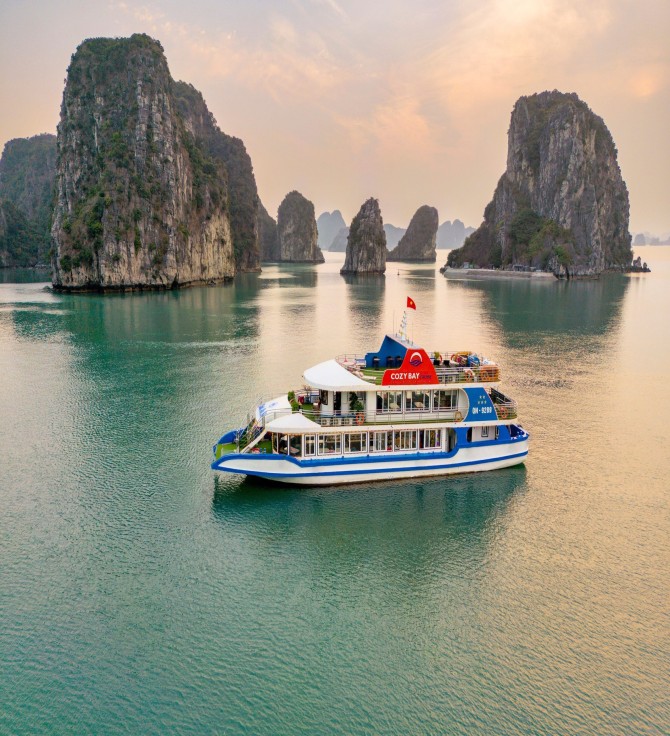
The North experiences distinct seasonal changes with four seasons: spring, summer, autumn, and winter. During the spring and autumn months, you will experience the most pleasant weather, perfect for excursions to Ha Long Bay and trekking through the terraced fields of Sapa. Winter nights can become chilly, and you will need a coat when visiting Ha Long Bay. Sapa even has snowfall on the coldest days of winter.

The terraced fields of Sapa
In the South, the tropical monsoon climate has two seasons: rainy and dry. The driest months to visit the South (Saigon) are from December to April. From May to September, the summer monsoon brings rain to the western slopes and the two deltas.
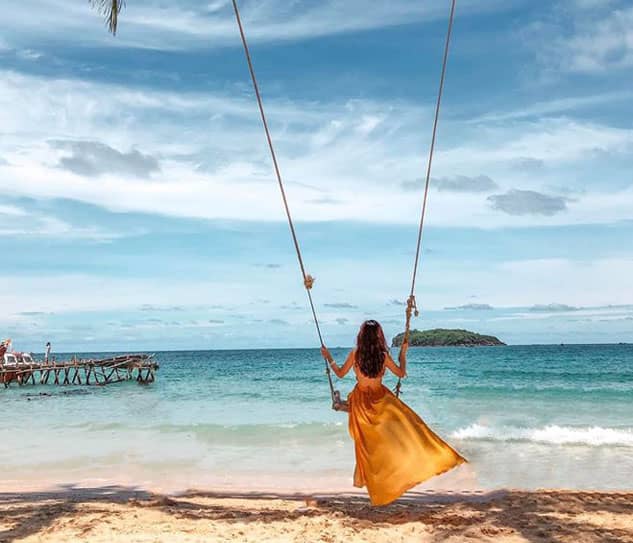
However, before the monsoon rains begin to cool everything down, the temperature and humidity in March and April can be stifling. From December to April is a great time to explore the beaches of Phu Quoc or witness the blooming flowers in the Mekong Delta. From February to August is the best time to spend in the coastal areas of Central Vietnam; you should avoid October to November when storms hit the coast.

Water Cart in Vung Tau
If you intend to travel across Vietnam in one trip, then autumn from September to December and spring from March to April are probably the two most favorable seasons. If you want to see a bit of everything, read our guide below to find the best time to visit the attractive destinations in Vietnam.
Off-Season Travel in Vietnam
Planning a trip to a destination during its peak travel time isn’t always easy. Most destinations can still be enjoyed during the monsoon season, and Vietnam is no exception. If you want to travel during the off-season from April to October, here are some tips for you.
First, the good news is that you will encounter fewer tourists during the rainy season. It becomes easier to negotiate better prices for accommodation and tours.

Salt Making in Nha Trang
Now for the warnings: during prolonged heavy rains, roads can become flooded, and traffic delays occur. Buses may not run, and the north-south railway can be flooded, causing train service delays. Outdoor activities become a soggy experience.
If you plan to travel between the North and the South, a flexible itinerary will be ideal in case of delays. During the monsoon season, it is better to fly to the region you want to visit rather than travel long distances by land.
Beware of the typhoon season! Vietnam has a long coastline, so major storms can be challenging. Tropical depressions and typhoons can bring torrential rains lasting a week, disrupting travel plans. Flights may be delayed or diverted. Beaches or Ha Long Bay may be closed during storms to ensure visitor safety, and you will face many risks and costs while not experiencing much.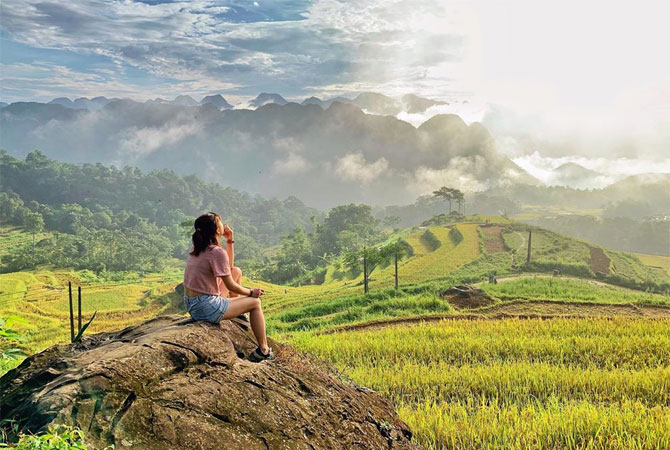
Walking discovery in Hoa Binh
The start of the typhoon season is generally in August, but it still depends on different regions of the country, such as the North, Central, or South. The most challenging time tends to be in October and ends around December each year.
If you want to travel during this season, keep an eye on the weather forecast. Typhoons are usually predicted before they enter the country, and tracking the storm’s movement will help you better rearrange your trip.
Traveling to Vietnam in Winter
Visiting Vietnam in December
The North of Vietnam experiences drizzle and colder temperatures in December, the Central region is gradually emerging after the rainy season, and the South has dry conditions and is bathed in sunshine. Therefore, it’s no surprise that heading to the southern coast to bask in the sun on Vietnam’s beautiful beaches is a great idea. Phu Quoc Island or the beaches and sand dunes in Mui Ne are wonderful this month. Ho Chi Minh City also enjoys pleasant weather with an average temperature of 26ºC, perfect for exploring the city and its monuments.

The Ooc-Om-Bok Festival in Soc Trang - Boat racing
Plan ahead as everything gets booked up, especially around Christmas time, and December is also a suitable time for outdoor activities in the North. The weather is a bit chilly, especially in the Bay or Mountains, but you won’t get tired from the heat.
Events and Festivals
The Ooc-Om-Bok Festival in Soc Trang, also known as the Moon Worship Festival, is an annual event of the Khmer people in the Mekong Delta. It takes place on the full moon day of the tenth lunar month, which falls in November or December.
Traveling in January
January brings cold weather to the North, often accompanied by persistent fine mist. This is not the best time to cruise Ha Long Bay as the fog can spoil your view. January is the coldest month in the mountainous regions, so frost on the ground or snowfall can occur in higher areas.
However, rainfall is at its lowest this month, creating perfect conditions for hiking in places like Sapa, and this is also the time when plum and pear flowers bloom beautifully. You can come here to immerse yourself in the white flower hills and have wonderful experiences.
The South is still in the dry season, so this is a good time to explore the cities, the Mekong Delta, or the beaches in Phan Thiet and Mui Ne. Water-related activities such as diving around Phu Quoc are worth trying.
Festivals
This is the time of the biggest festival of the year: Tết Nguyên Đán (Lunar New Year), which starts at the beginning of the year and is considered a new beginning for everything. Vietnamese people clean their houses to get rid of bad luck and misfortune from the past year. If you enjoy exploring different cultures and festivals, this is the perfect time for your trip. Different regions of Vietnam have various customs and festivals waiting for you to discover.

Flower market - Lunar New Year
You will receive the best wishes from friends and family, bringing luck for the new year. Red and yellow colors fill the streets because these colors are considered lucky. The air is filled with fragrance, and the sky is lit up with brilliant fireworks.
Traditional performances and dragon dances are held to celebrate this event. Many shops, restaurants, museums, and tourist spots close during the holiday. This festival usually takes place during the first three days of the lunar calendar, typically from late January to early February.
Exploring Vietnam in February
Northern Vietnam bids farewell to the cold and welcomes clear skies and warmth, making it an ideal place for hiking and exploring the area. Early February might coincide with Tết - the Lunar New Year, the biggest festival in the country. Be aware that restaurants and museums might be closed. Participating in the festivals and experiencing Tết with the locals is a precious and wonderful experience at the beginning of the year.
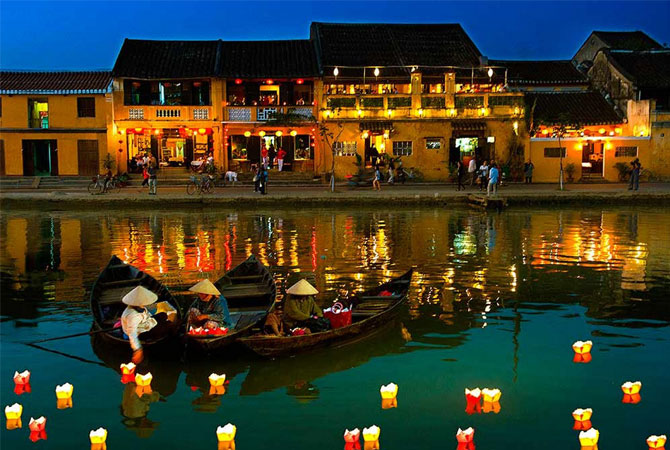
Hội An by night
The south and central beaches are wonderful. There might be just a light drizzle on the beaches between Hội An and Đà Nẵng. If not the beaches, stay in the city to enjoy some of the best street food in Vietnam.
Exploring Festivals in Spring
Travel Experiences in March
If you want to see the whole country, March might be the best time. The temperature in the North is rising but not too hot, making it ideal for adventures and mountain climbing. March is also perfect for a cruise tour on Ha Long Bay with clear skies all day. It’s a valuable time to spend at least one night on the charming Cat Ba Island.
The dry weather provides excellent conditions for visiting the world’s largest cave in Phong Nha-Ke Bang National Park. This is also a suitable time to travel to the Central Highlands, to the heart of the coffee land Buon Ma Thuot. Beaches and water activities are a must, possibly best in Nha Trang.
Don’t hesitate to visit the southern cities and the Mekong Delta, where you can be sure of sunny days. A morning tour of the floating markets in the Mekong Delta or a city tour of Saigon by scooter or Vespa are wonderful experiences you should try at least once.
Events & Festivals
Phủ Dầy Festival at Phủ Dầy Temple, Nam Dinh Province, is held to commemorate Saint Mother Lieu Hanh, one of the four immortal gods in Vietnamese culture. It takes place in the third lunar month, which is March or April annually.

Phủ Dầy Festival in Nam Định
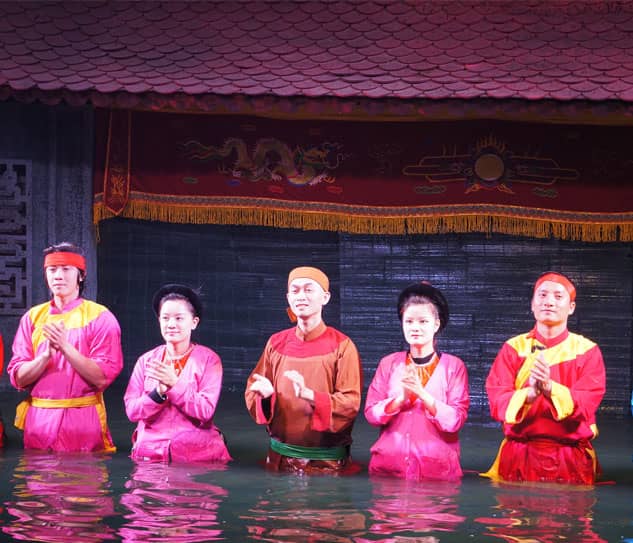
Thầy Pagoda Festival in Thầy Village, at the foot of Sai Son Mountain, Quoc Oai District. It includes a procession and water puppet performances to commemorate the life of the monk Tu Dao Hanh, who is considered the founder of Vietnamese water puppetry.
Exploring Vietnam in April
As summer approaches, the temperature in the North is rising, and light rains begin. While not as ideal as March, it is still very pleasant for hiking. This is also a good time to admire the blooming spring flowers.
Don’t miss Central Vietnam with charming Hoi An and nearby An Bang beach, and the wide sandy beaches in Da Nang. Further south, the temperature in Hue city is pleasant, Nha Trang is at its best, and the highlands enjoy great weather.
In Southern Vietnam, temperatures reach 31ºC and it occasionally rains, but with mostly clear skies, it’s still perfect for lazy days on beautiful beaches.
Events & Festivals
The Thay Pagoda Festival takes place annually in March or April, allowing you to learn more about history and wish the best for your family and loved ones.

The Hung Kings’ Festival
The Hung Kings’ Festival is one of the most important and sacred festivals for Vietnamese people, commemorating the first kings of Vietnam. People gather at the temple to make offerings and then celebrate with traditional performances.
Exploring Vietnam in May
The latter half of May marks the beginning of the monsoon season, making the south wetter. However, the heavy rains are usually short in the afternoon, making them easy to avoid.
The North is getting hotter and rainier but still favorable for exploring great outdoor activities.

The Lady Xu Festival
The central coast is waiting for you this month, come to enjoy the sunny days.
Festivals & Events
The Lady Xu Festival is a famous festival in An Giang province. It is also known as the deity worship festival held at the Lady Xu Temple.
Vesak Day is a traditional Buddhist holiday in Vietnam.
Exploring Vietnam’s Summer
Visiting Vietnam in June
The North is getting hotter and wetter. This can be a dangerous time for trekking, so if that’s your journey, bring appropriate footwear and outerwear. It’s best to plan a trip to Mai Chau Valley, which remains mostly dry.

Hue ancient capital
June marks the beginning of the monsoon season in the South, with the rainy season approaching and flood forecasts, but there are still many dry hours during the day. The situation is worse in the Central Highlands, so you should avoid visiting there in June.
Just forget the rain to enjoy your sunny days on the central coast. This is the ideal time to relax on the beaches near Hoi An, Da Nang, and Lang Co.
Festivals & Events
Tet Doan Ngo, also known as the summer solstice, is celebrated on the 5th day of the 5th lunar month. Doan Ngo means the time when the sun is at its shortest, closest to the earth. In Vietnam, Tet Doan Ngo is also popularly known as “the festival to kill insects.” Simply put, this is the day to start catching insects and eliminating pests that harm crops.
Exploring Vietnam in July
July continues the story of June with torrential rains in both the North and South of the country. In the North, temperatures reach their peak. The central coast averages 31ºC.

Relax in Da Lat
Rain in the Central Highlands makes trekking difficult, floods can disrupt traffic, wash away roads, and sometimes isolate remote villages. The best option is to relax in places like Da Lat, Hue, Hoi An…
Exploring Vietnam in August
August is a month to avoid if you are looking for a trekking trip in Vietnam. During this month, the northern mountains and Central Highlands experience the heaviest rainfall.
A cruise in Ha Long Bay is also not a good idea this month due to heavy rain or even storms. Meanwhile, conditions on the central coast are still quite good, although the beautiful days are coming to an end.

Cai Be Floating Market
The South is at the peak of the rainy season, but it’s not necessarily a bad time to visit as the rains are like showers and there are still many dry hours during the day for you to enjoy. How about a street food tour to explore downtown Saigon at night?
Festivals and Events
On the 15th day of the 7th lunar month every year, the Trung Nguyen Festival is held to pray for the souls of the dead to be released from earthly hell. People offer food to the homeless and release animals like birds to be forgiven for their mistakes.
Exploring Vietnam in Autumn
Experiencing Vietnam in September
In both the north and south, the weather is getting hotter and drier, opening up opportunities for trekking in the north. The Central Highlands and central coast remain very wet with storms on the horizon.
Festivals
The Mid-Autumn Festival takes place on the 15th day of the 9th lunar month. This harvest festival is to celebrate gathering, thanksgiving, and prayer. It is also considered a children’s festival where kids are given sweets and toys. People gather to enjoy dragon and lion dances and light lanterns.

Mid-Autumn Festival
Vietnam’s National Day on September 2nd is a national holiday. This occasion commemorates Vietnam’s Declaration of Independence from France in 1945. The government celebrates this day with a parade through the capital, Hanoi.
Experiencing October in Vietnam
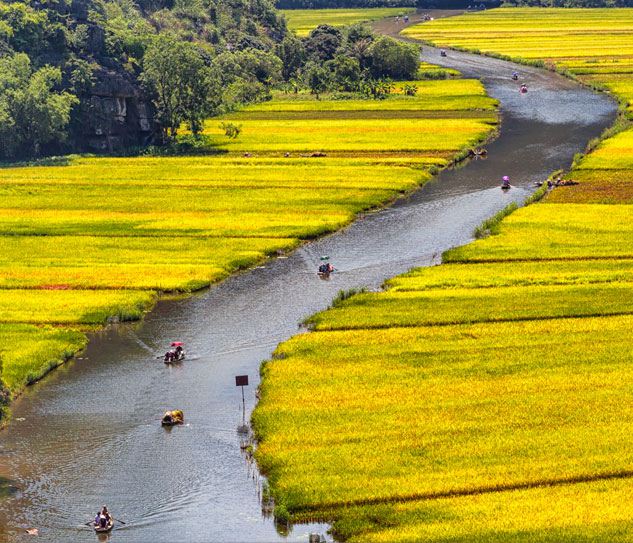
October is a great month for trekking and other outdoor adventure activities. This is the perfect time to explore Sapa and the Dong Van Karst Plateau Geopark in Ha Giang province. The dry weather creates ideal conditions for the picturesque Mai Chau Valley. The golden sunlight brings a yellow hue to the rice fields, which are ready for harvest! Trek through the rugged mountains and learn more about the White Thai minority villages.

Bamboo Dance in Mai Chau
It’s best to avoid Central Vietnam as heavy rains and storms make travel difficult. Hoi An experiences severe flooding in October and November. The water on the streets can reach knee or waist height, meaning you can only get around by boat!
Meanwhile, the rainy season is gradually leaving the South. The warm and dry weather makes it a great month to visit the Mekong Delta and its floating markets.
Festival
Mid-Autumn Festival
Exploring Vietnam in November
November is a wonderful month to visit both ends of the country. The mild temperatures in the south are ideal for relaxing days on the beaches. The cool and dry weather in the north creates excellent conditions for hiking. November is also the best time of the year to cruise Ha Long Bay. Whether it’s a luxury cruise or a budget one, you will have a fantastic experience in this paradise on Earth.

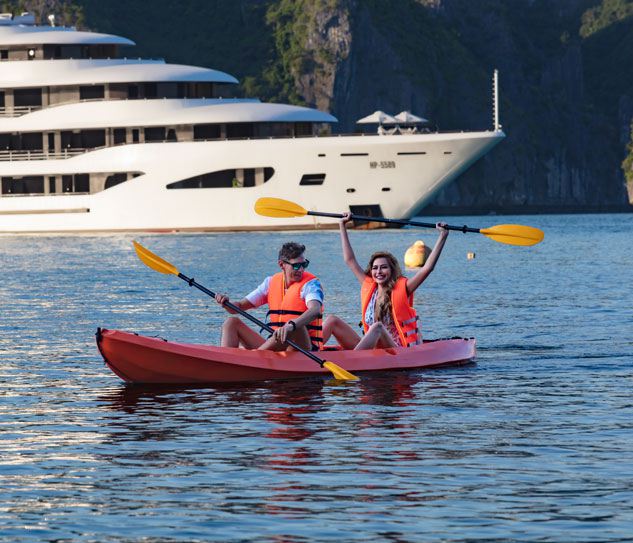
Kayaking in Hạ Long Bay
The central coast in November is similar to October with rain, humidity, and monsoons. The roads between Da Nang and Hoi An become particularly dangerous this month.
Finally, we hope that after reading our article, travelers will have useful information for their trip to Vietnam. Moreover, don’t forget to visit our website for more useful and important information about traveling in Vietnam and Southeast Asia in general.